Showing posts with label updates. Show all posts

07 December 2009

Stryi and the Karaṇḍamudrā Dhāraṇī

Back in Feb 2009 I was intrigued by a complex seed-syllable seen carved on the side of a Japanese stūpa. I could see the Siddhaṃ elements but wanted to understand the context. Eventually, with a little luck, I managed to identify the bīja as stryi which is associated with an important Japanese liturgical text: the Karaṇḍamudrā Dhāraṇī. I put some notes into this blog, but have now put this material on its own page: Karaṇḍamudrā Dhāraṇī and stryi.

At some point I want to do some Siddhaṃ calligraphy of the dhāraṇī itself, but here at least you can see where the syllable stryi originates from.

Some other versions of stryi can be seen in this Flickr Gallery: Stone Siddhaṃ.

13 November 2009

oṃ

The 'om' seed syllable in Siddham script

Seed-syllable oṃ
in Siddhaṃ

I upgraded the oṃ page.

I don't whether to be pleased that my calligraphy and other methods have improved, or horrified at how poor some of my earlier work was. Hopefully the whole site will gradually be brought up to a higher level.

21 September 2009

ye dharma hetu prabhava

ye dharma in LantsaReplaced Tibetan, and added images of Lantsa (left), Sinhala (Pāli) scripts to the Ye dharma page. This phrase is often called the Buddhist credo (Latin: I believe)

Ye dharmā hetuprabhavā hetuṃ teṣāṃ tathāgataḥ hyavadat teṣāṃ ca yo nirodha evaṃ vādī mahāśramaṇaḥ

20 September 2009

New Logo

Some of you will notice that I've created a new logo for the site - this is partly in preparation for the publication of the book of the website. The character is dma. In Sanskrit 'visible mantra' would be darśataḥ mantraḥ giving the initials D.M. Combined into one bīja you get dma.

06 September 2009

Amitāyus

I have re-evaluated my Sanskrit re-creation of the Amitāyus mantra from the Tibetan, which is on the Amitābha page. The Tibetan reads (in Unicode)

ཨོཾ༌ཨཱ༌མ༌ར༌ནི༌ཛི༌ཝན༌ཏེ༌ཡེ༌སྭཱ༌ཧཱ།

This is usually transliterated: om amarani dziwantaye soha which reflects Tibetan pronunciation. The actual syllables are: oṃ ā ma ra ṇi dzi wan te ye svā hā, from which I have now reconstructed the Sanskrit:

oṃ amaraṇi jīvantaye svāhā
ओं अमरणि जीवन्ताये स्वाहा

More details and Siddhaṃ calligraphy on the Amitābha page. Ideally I'd find a Sanskrit source for this mantra to clarify the matter - if you know one please let me know.

05 September 2009

Padmasambhava

Alerted to a minor error on the Padmasambhava page I have updated it. I've replaced the the Siddhaṃ calligraphy, and the Tibetan calligraphy (with a font based image), but I've also added some material that I had prepared for the forthcoming Visible Mantra book (don't hold your breath). Now you will also find the Thöthrengtsal or Skull Garland mantra, and the Seven Line Invocation - both in Uchen and transliterated - with Saṅgharakṣita's translation of the latter which is based on the oral explanation he received from Dhardo Rinpoche. Both of these are popularly chanted in the FWBO.

02 September 2009

100,000 Visitors

Earlier today visiblemantra.org topped 100,000 visits for 2009 which is very gratifying, especially as I haven't done much work on the site lately. Thanks everyone!

100,000 visitors have downloaded more than 320,000 pages with the Vajrasattva page being the most popular by a long way. 2% - which is, like, 2000 sessions - have looked at more than 100 pages - 10 out of 10 for perseverance whoever you are.

Work on turning the site into an attractive book is progressing rather slowly, but it is progressing. That work will eventually translate back into the site with vastly improved Tibetan, and Devanāgarī for everything. I'm hoping to get hold of a good Lantsa font before too long as well.

Vajrasattva Mantra

Vajrasattva: I replaced my rough Tibetan Calligraphy of hūṃ and oṃ vajrasattva hūṃ with images created using fonts. Much better! I've also added the 100 syllable mantra in Unicode - here it is again:


ཨོཾ་བཛྲ་སཏྭ་ས་མ་ཡ་མ་ནུ་པ་ལ་ཡ།
བཛྲ་སཏྭ་ཏྭེ་ནོ་པ་ཏིཥྛ། དྲྀ་ཌྷོ་མེ་བྷ་བ། སུ་ཏོ་ ཥྱོ་མེ་བྷ་བ།
སུ་པོ་ ཥྱོ་མེ་བྷ་བ། ཨ་ནུ་ར་ཀྟོ་མེ་བྷ་བ། ས་རྦ་སི་དྡྷི་མེ་པྲ་ཡ་ཙྪ།
ས་རྦ་ཀ་རྨ་སུ་ཙ་མེ ཙི་ཏྟཾ༌ཤེ་ཡཿ་ཀུ་རུ་ཧཱུྂ།
ཧ་ཧ་ཧ་ཧ་ཧོཿ བྷ་ག་བ་ན ས་རྦ ཏ་ཐཱ་ག་ཏ་བཛྲ་མཱ་མེ་མུ་ཉྩ།
བཛྲཱི་བྷ་བ་མ་ཧཱ་ས་མ་ཡ་སཏྭ ཨཱཿ །།
ཧཱུྂ ཕ་ཊ


You can use this (ie cut and paste) to display the mantra using any Unicode font which has the Tibetan range - such as Tibetan Machine Uni, or Microsoft Himalaya. There are a number of other fonts around. Note that the 100 syllables end with āḥ - hūṃ and phaṭ are added for special purposes - see the page for explanations. Note also that there are variations in the spelling and my version is my best attempt to convey the Sanskrit using Uchen.

01 September 2009

Sabbe Satta Sukhi Hontu

sabbe satta in various scriptsThanks to stumble.com the page with my decorative version of the Pāli mantra sabbe sattā sukhi hontu has become one of the most popular pages on visiblemantra.org. As a result I have spruced up the sister page - May all beings be happy - which shows the mantra in formal siddhaṃ (new calligraphy), and added versions in Tibetan (Uchen), Devanāgarī and Sinhala - using images of fonts to spare you my ragged calligraphy in those scripts (screen shot left).

I've discovered a good utility for transcribing Sinhala so will be adding that script for other Pāli phrases - if you know of one for Burmese and Thai let me know.

31 August 2009

New Mantra

Caught up with Tashi Mannox on a recent visit to London which was cool. He gave me a calligraphy of a mantra I hadn't come across before. It is used in the conclusion of Tibetan sadhanas.

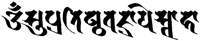
oṃ supratiṣṭhavajraye svāhā

So after doing some research and consulting him about the Tibetan writing and pronunciation I've added the first new page to visiblemantra.org for some time. I'm calling it the supratiṣṭha mantra for want of a better name. The page has Siddhaṃ, Uchen and Devanāgarī.

21 May 2009

Onmyoji 3 & 4

Onmyoji 4The Manga Onmyoji 4 has just been published in French translation by Patrick Honnore. You may recall that I was helping Patrick transliterate the mantras used in the comic which are written in the Siddhaṃ script. I also worked on Onmyoji 3.

The mantras in the comic are used by tantric wizards, often to subdue demons. So if you read French and like mangas check it out.

Sometime back on this blog I asked for info about some obscure mantras but never heard anything. In Onmyoji 3 the Fudo mantra is featured - which is what made me create a Fudo page for visiblemantra.org.

10 April 2009

White Tārā

I've recently updated the notes on the White Tārā mantra in accordance with a new understanding of Sanskrit. Not all ambiguities are able to be resolved, but at least it is now clear what is ambiguous and in what way. I've changed the way I present the variations on the mantra. My previous efforts were too dependent on books, and have again benefited from my Sanskrit studies.

Much remains to be done in this vein, although it is important to recall that mantras are not entirely translatable and that this kind of approach is limited. The White Tārā mantra is somewhat unusual in containing grammatical sensible phrases.

28 March 2009

Words

I've updated the words section, replacing the relatively scruffy miscellaneous collection of calligraphy with a more consistent style, and add a number of new words.


I haven't had any requests in this section for a while, so if there is something you would like me to add, please say so.

17 March 2009

Heart Sūtra Mantra

A keen tattoo enthusiast noticed an error in my Siddhaṃ Heart Sūtra Mantra, and so I've updated it, and replaced the appalling Tibetan with a pic of it done with a font (Tibetan Machine Uni if you're interested). So far rendering Tibetan in browsers is a bit hit and miss, so I'll stick to images. Georg Fisher of Indian Scripts in Tibet says he's going to make his gorgeous Lantsa fonts available so eventually I might have some decent Lantsa mantras here as well.

Also since I've just covered past-participles in Sanskrit I've updated my Heart Sūtra mantra notes on the mess that is exegesis of the word 'gate'. I wrote something related on my blog recently as well: Words in Mantras that End in -e.

15 February 2009

Kurukullā

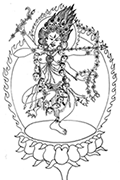
KurukullaI've added a new page for the first time in a while. This one is for the Tantric figure Kurukullā, who is associated with the Red Rite, or the Rite of Fascination. She resembles a ḍakiṇī in form and is distinguished by the fact that she is drawing back a bow with an arrow fitted - both of which are covered in flowers.